I cover a wide range of science topics, from ecology to engineering and animal behavior. My goal is to connect people with the fascinating, important research that’s too often confined to academia. As an AAAS Mass Media Fellow, I reported with North Carolina Public Radio. I’ve also written for Massive Science, preLights, the Berkeley Science Review, and a few other odds and ends.
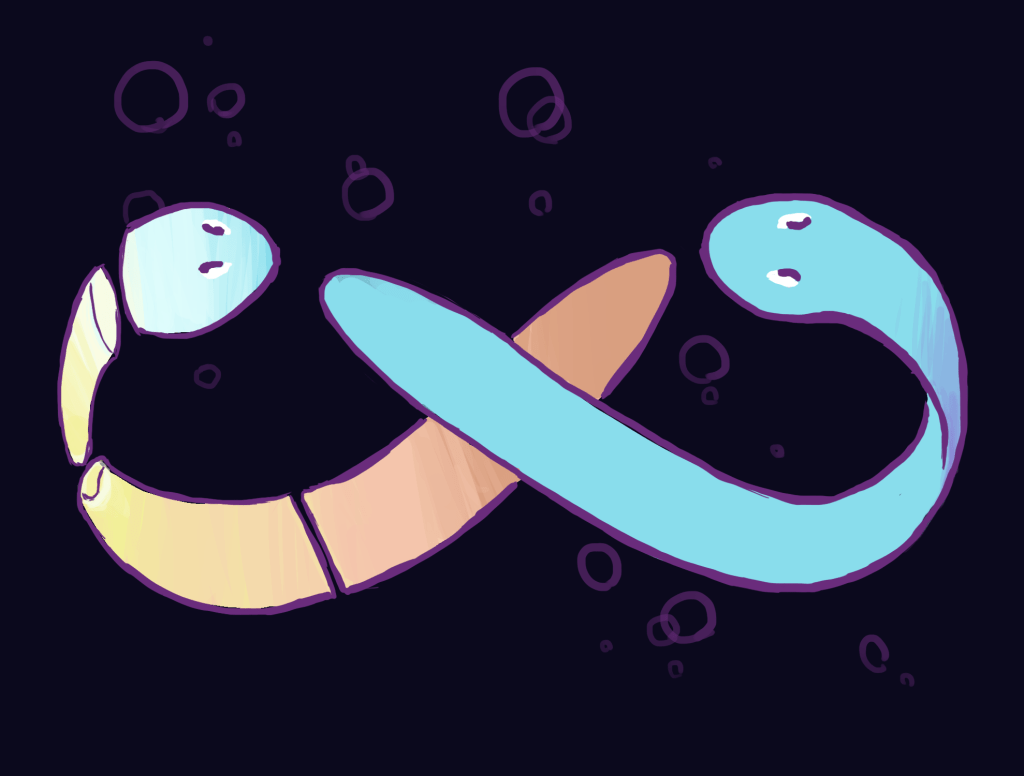
What doesn’t kill you makes you younger
Damage-induced tissue regeneration resets the clock for elderly flatworms.
Off the NC coast, researchers are testing how to use energy from ocean waves to make drinking water
Floating “wave energy converters” could harness the movement of the sea to produce clean water and electricity.

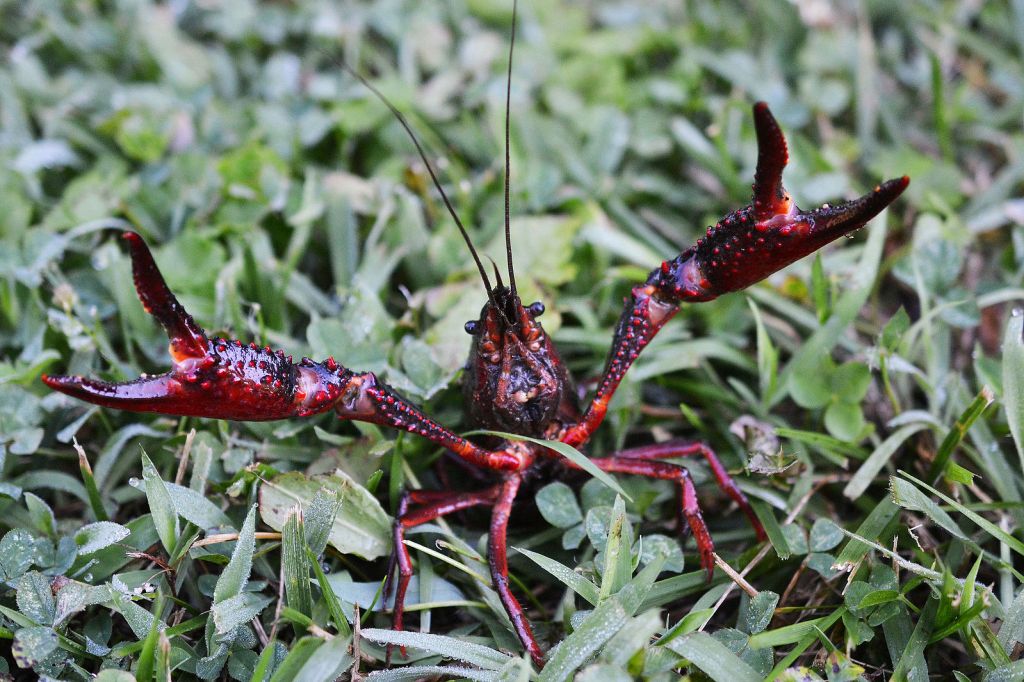
Mudbug menace: how crayfish are taking over the world, and how to stop them
Invasive crayfish species are spreading throughout North Carolina and beyond, which is bad news for freshwater ecosystems.
Urban runoff threatens water quality. Infrastructure changes could help
Slowing stormwater down could be crucial as rapid urbanization affects water supplies.
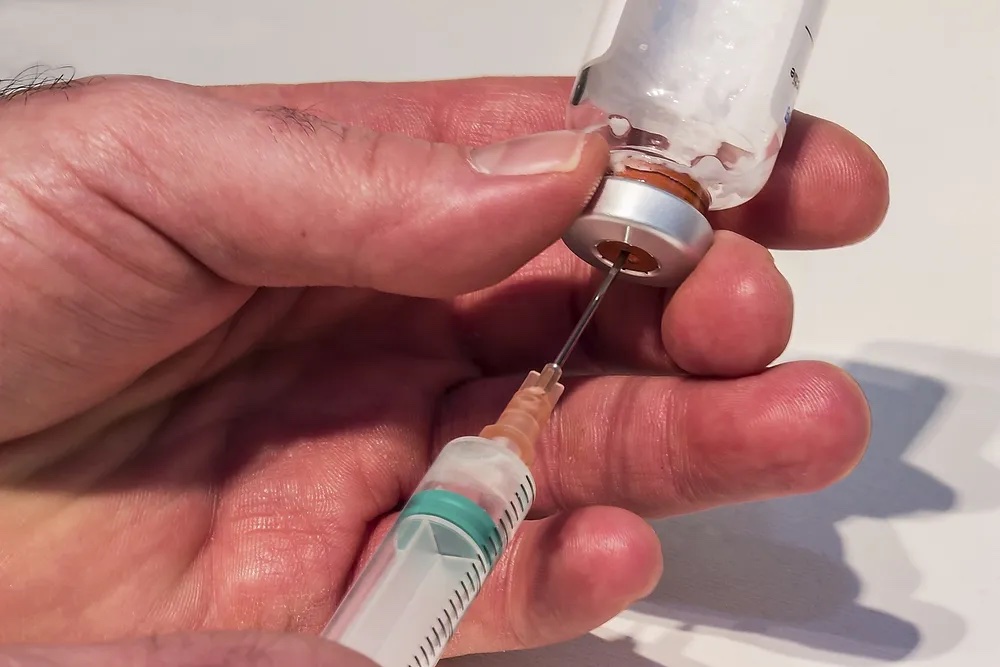
Protocols for the people: community scientists take insulin manufacturing into their own hands
In Oakland, California, local researchers aim to break pharmaceutical insulin monopolies by developing open-source recipes for the lifesaving drug.
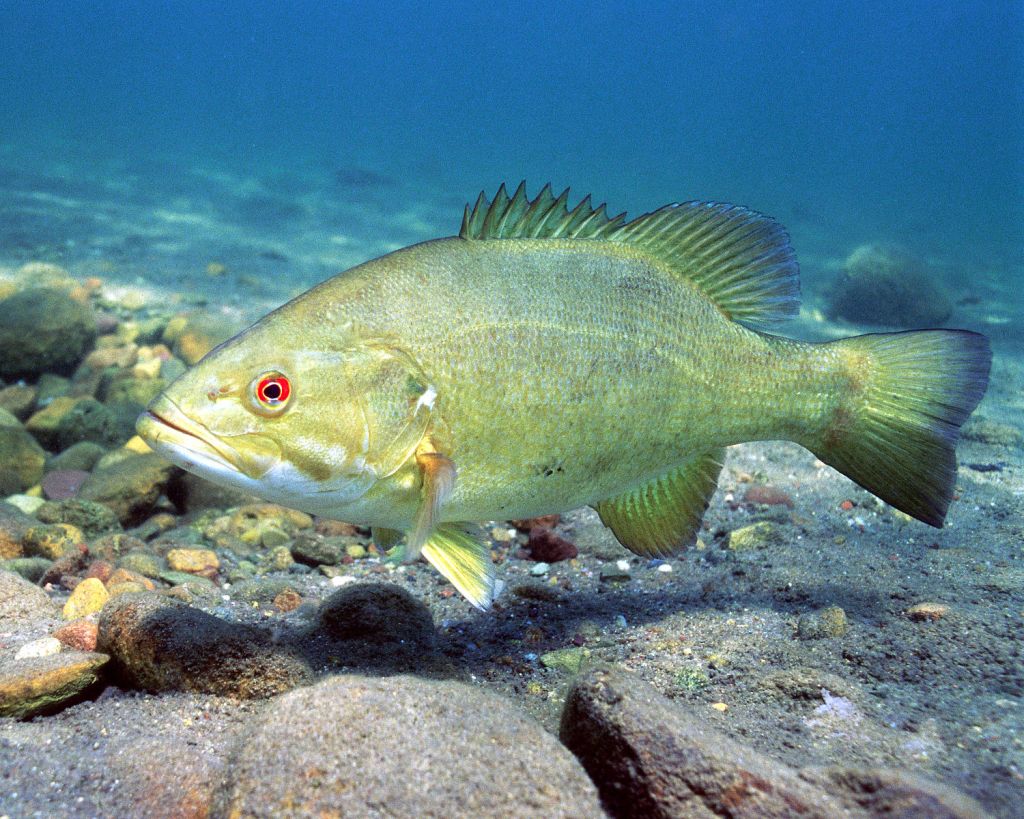
“Most of the natural world is not discovered:” Tiny parasitic jellyfish found in Watauga River fish
The parasites infect smallmouth bass and are only about twice as long as a red blood cell.
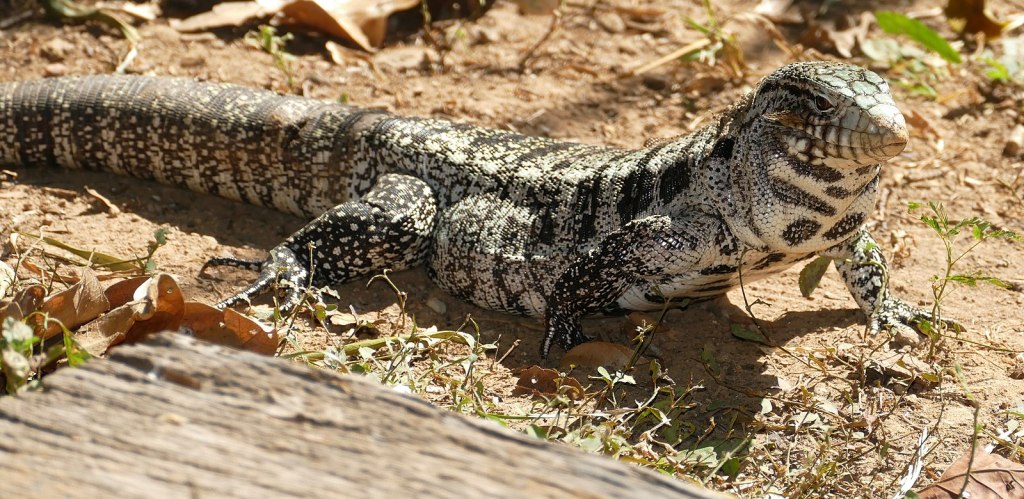
Giant tegu lizards have a reptile superpower that could help them thrive from Florida to North Carolina
Unique among reptiles, tegu lizards can regulate their body temperature, which may contribute to their success as an invasive species.
Thousands of North Carolina wells are spiked with toxic metals
In some counties, over 10% of tests were over EPA limits for arsenic or lead.
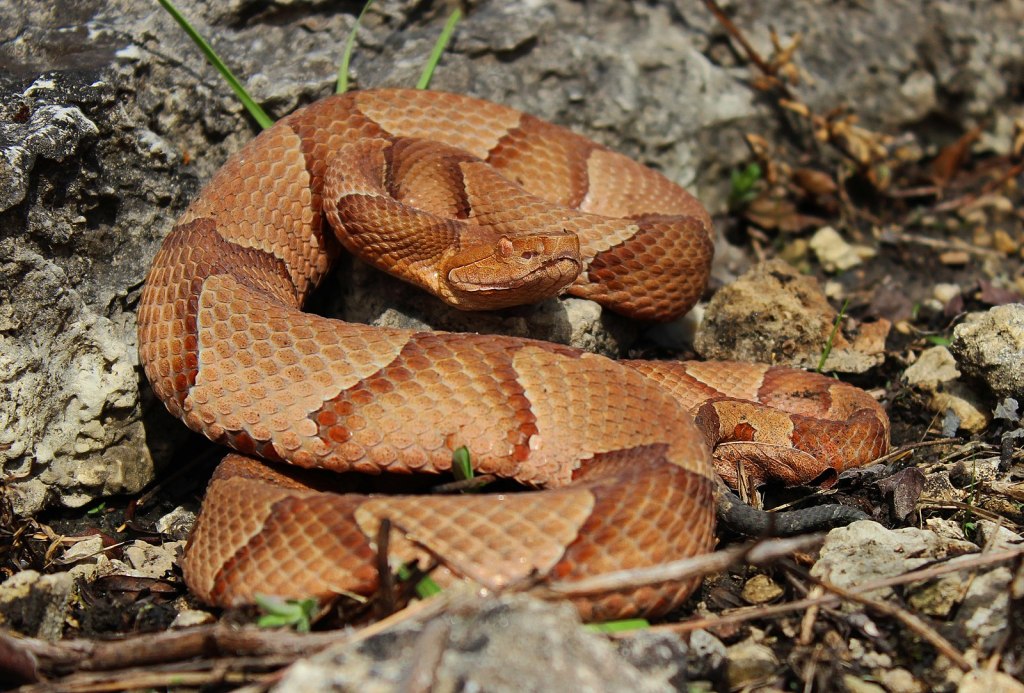
New antidote on-trial at Duke could be the first to work for most venomous snakes
The antidote could save lives by giving bite victims time to reach a hospital.
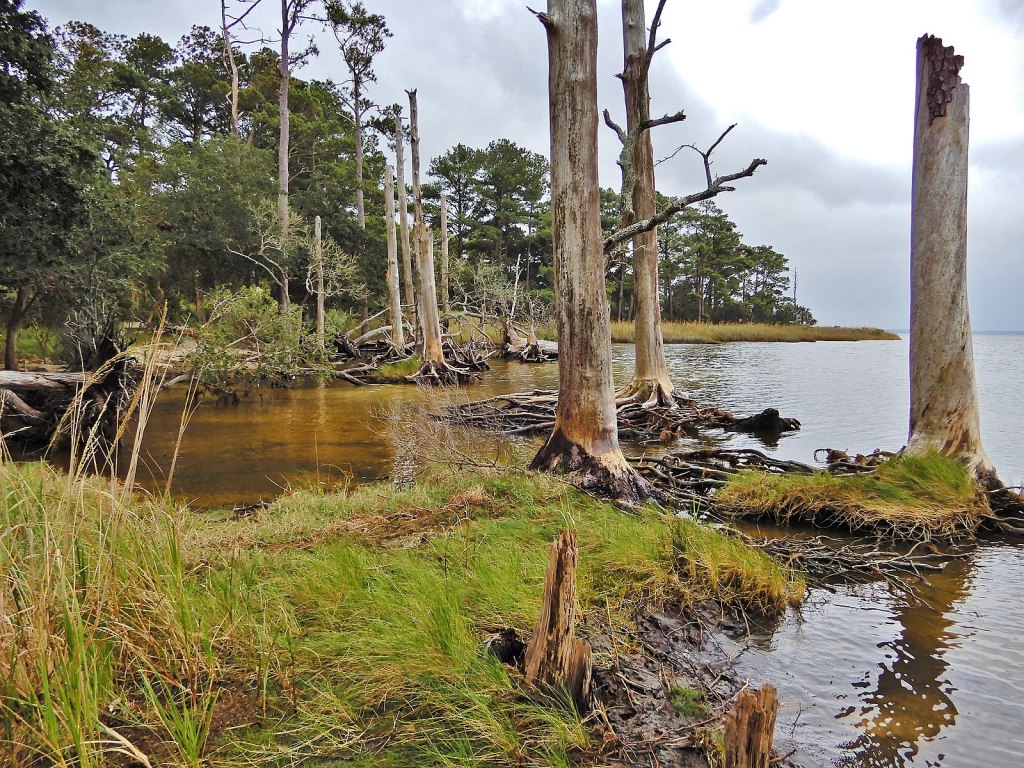
As sea levels rise, coastal wetlands are expected to change dramatically
Saltwater wetlands will move inland, leaving freshwater wetlands with nowhere to go.
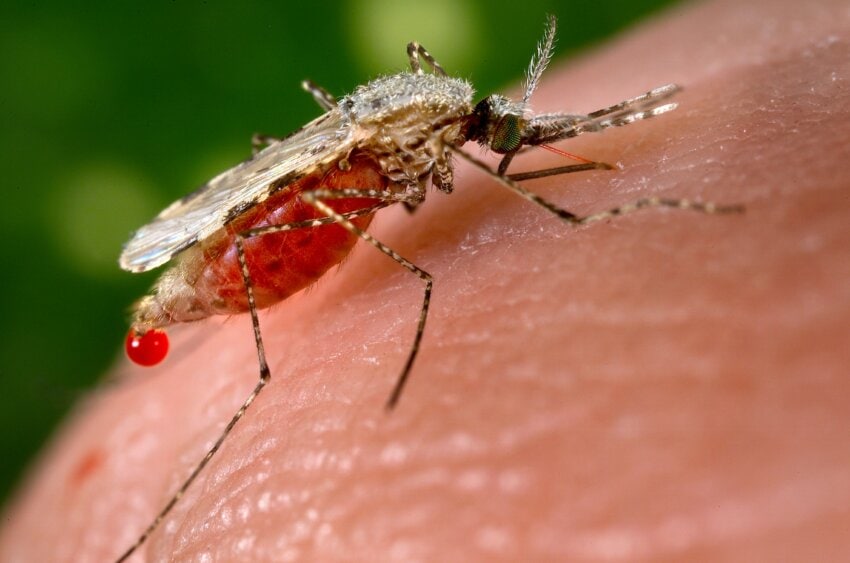
Urban-adapted mosquitoes may spread malaria to new regions as the Earth warms
A combination of climate change and an invasive mosquito species could put more people at risk of the deadly disease.
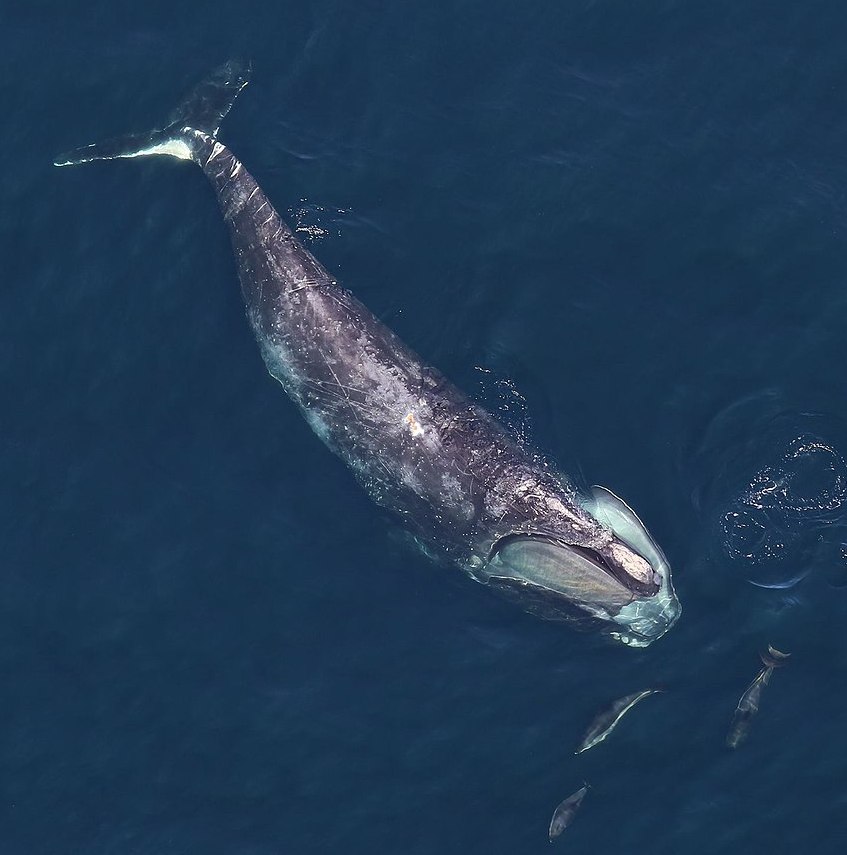
“A whale trap”
Fishing gear can endanger and kill whales and cause other long-term health effects.
The burning question
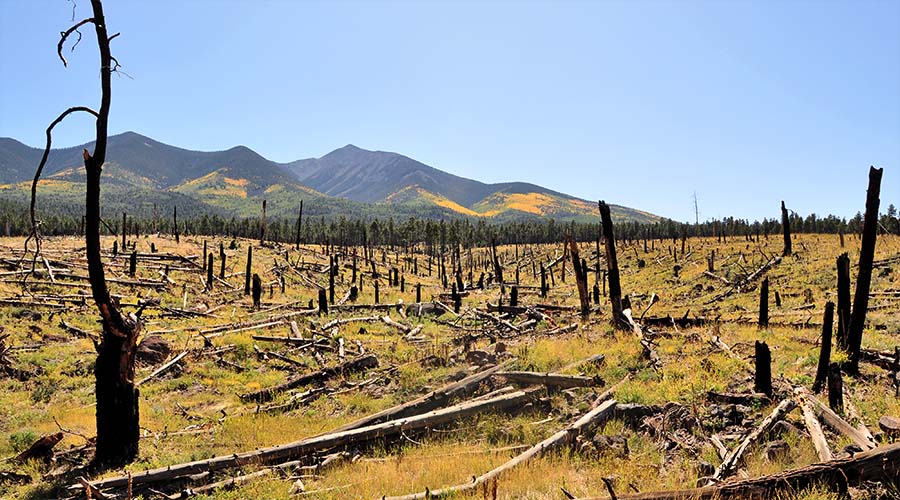
How did California’s wildfires get so bad – and what can be done to make them less destructive?
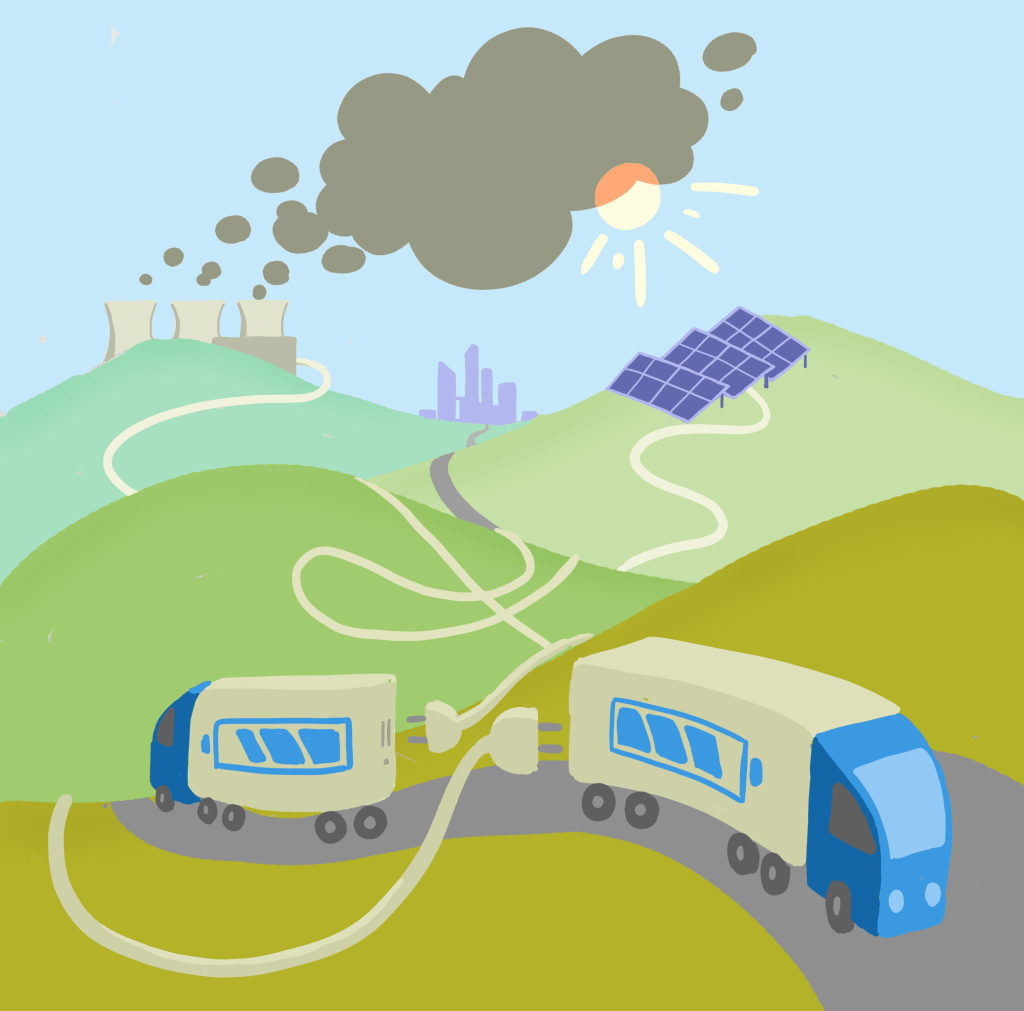
Big rigs, big impacts
A shift to electric long-haul trucks could dramatically reduce air pollution – or make it even worse in parts of the country that use coal-based electricity.
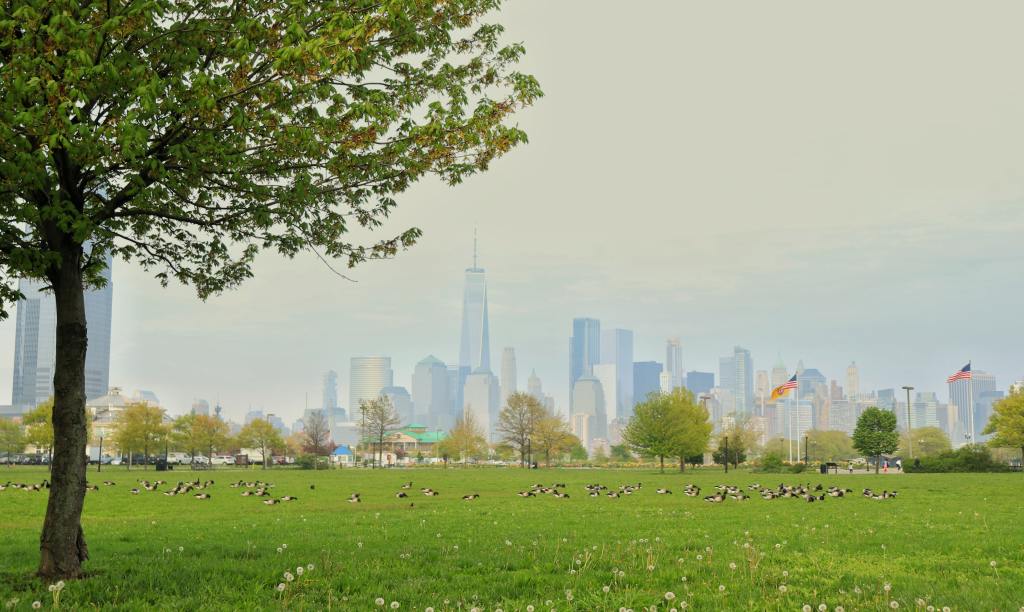
Changing your microbiome could be as easy as taking a walk in the park
Diverse microbes in urban parks can transfer to humans after even a short exposure to the outdoors.
“Climate memory” dramatically impacts extinction risks
To accurately predict extinction futures, researchers had to look far into the past.
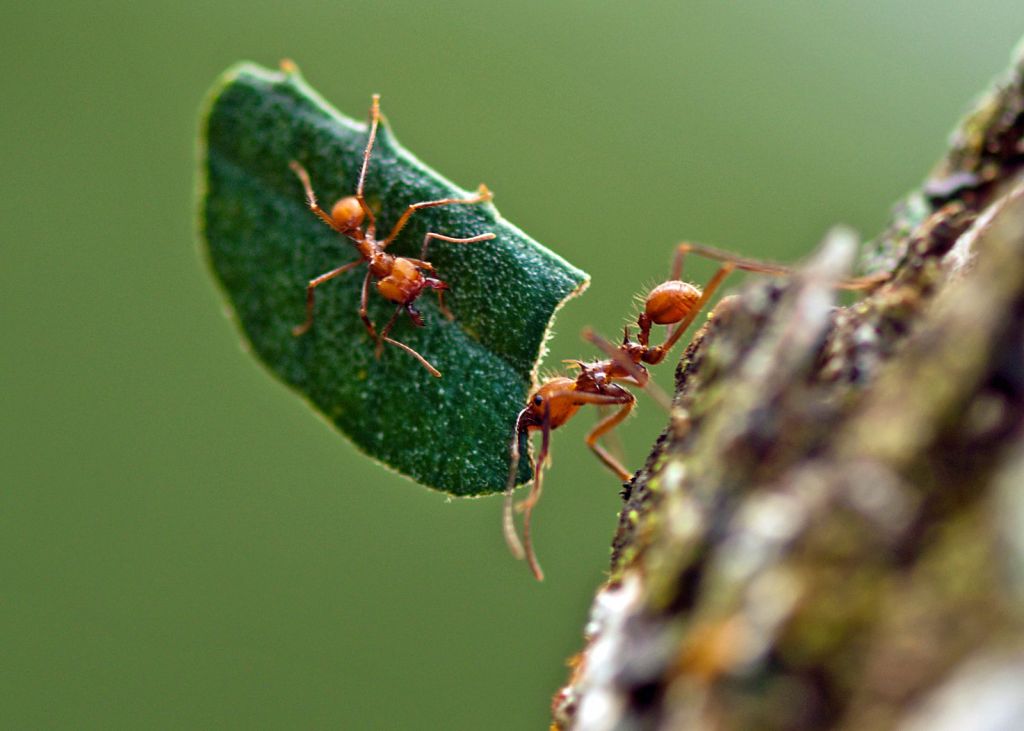
Bacterial partners help leafcutter ants dominate in a forest of poisons
Leafcutter ants harvest an incredible variety of rainforest plants to feed their fungus gardens. But when the plants contain toxins that neither the ants nor the fungus can digest, how can the community continue to thrive?
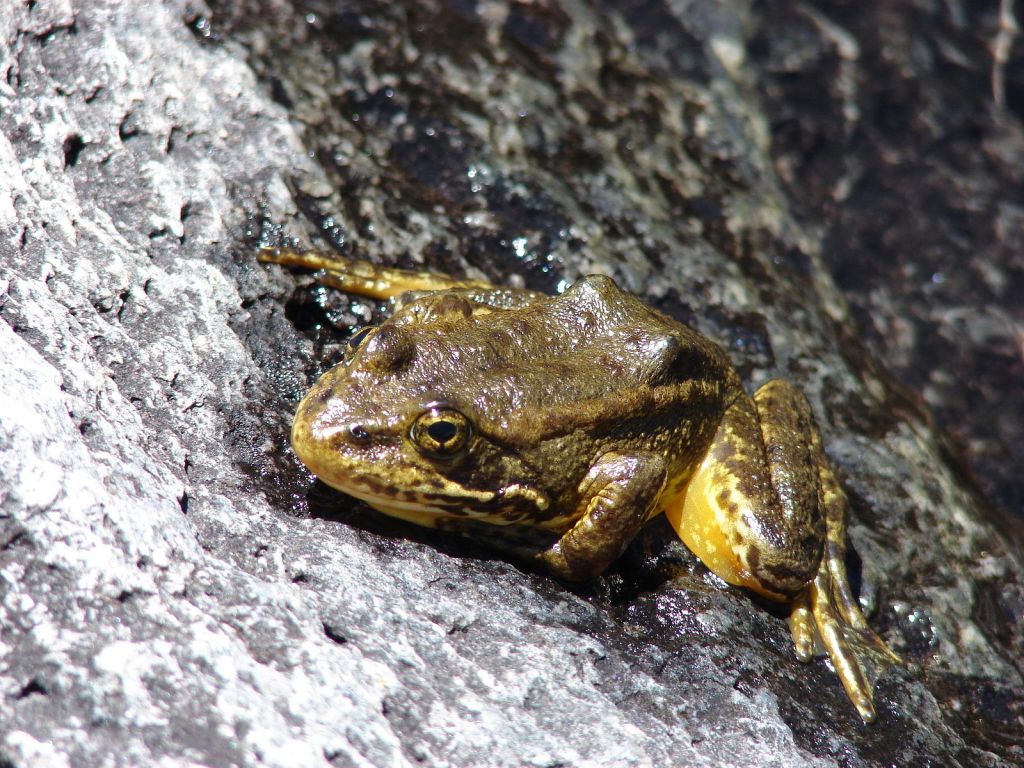
Leaping to a brighter future
Predation and disease are decimating High Sierra frogs. A creative way to study their population genetics could help.
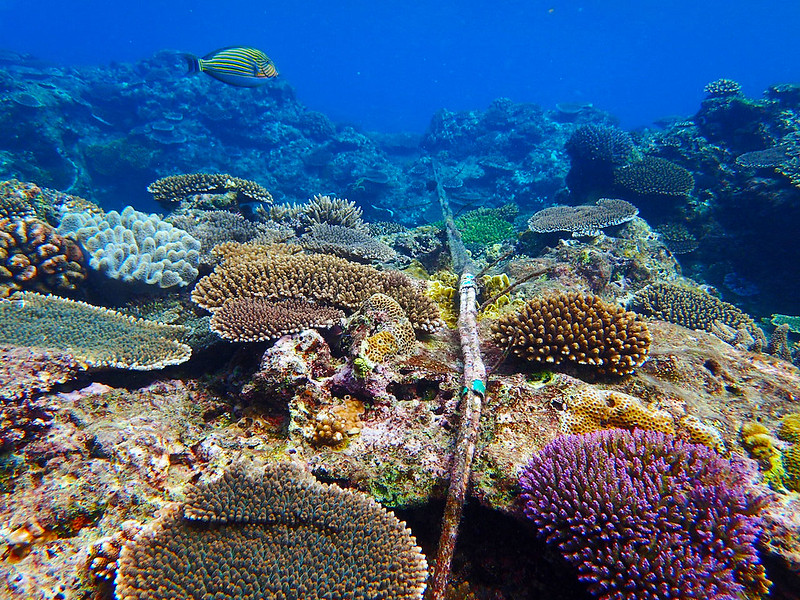
Accessing the deep web
Most earthquakes start under the seafloor, but they’re difficult to measure in such a remote environment. A million kilometers of existing marine fiber optic cable could provide a solution.
Brain keychain
New technology can measure a person’s unique brain activity to verify their identity. Should we be worried?

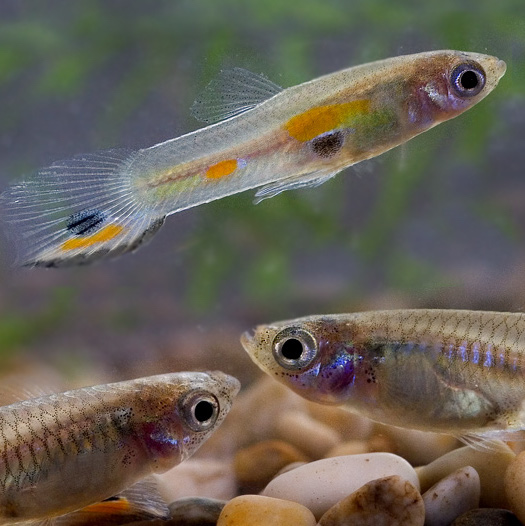
Oxytocin paradox
Guppies, like people, sometimes take risks for the benefit of their social group. When they experience cooperation, their brain chemistry changes in unexpected ways.
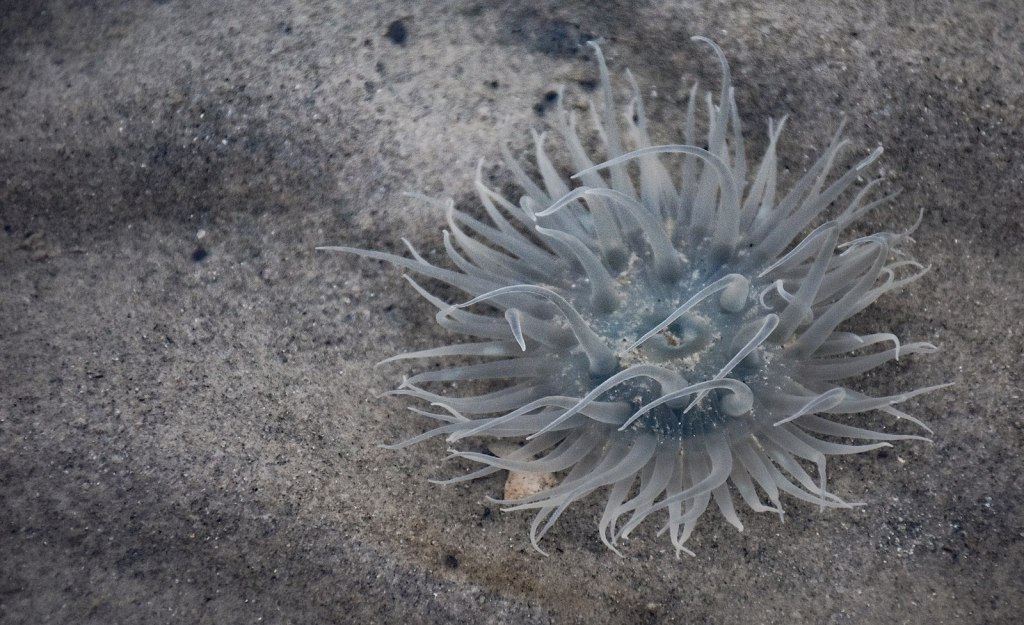
Tentacular team-up
The first known symbiosis between chemotrophic bacteria and cnidarians allows this deep-sea duo to thrive at hydrothermal vents.
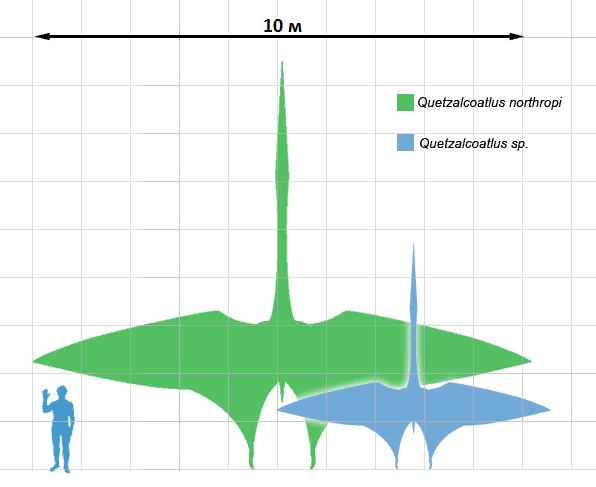
From flying aces to soar losers
Recent research finds that not all giant prehistoric fliers were equally adept in the air.
Seeing the forest for the trees
Indigenous territories and community-managed protected areas robustly support forest carbon stocks.
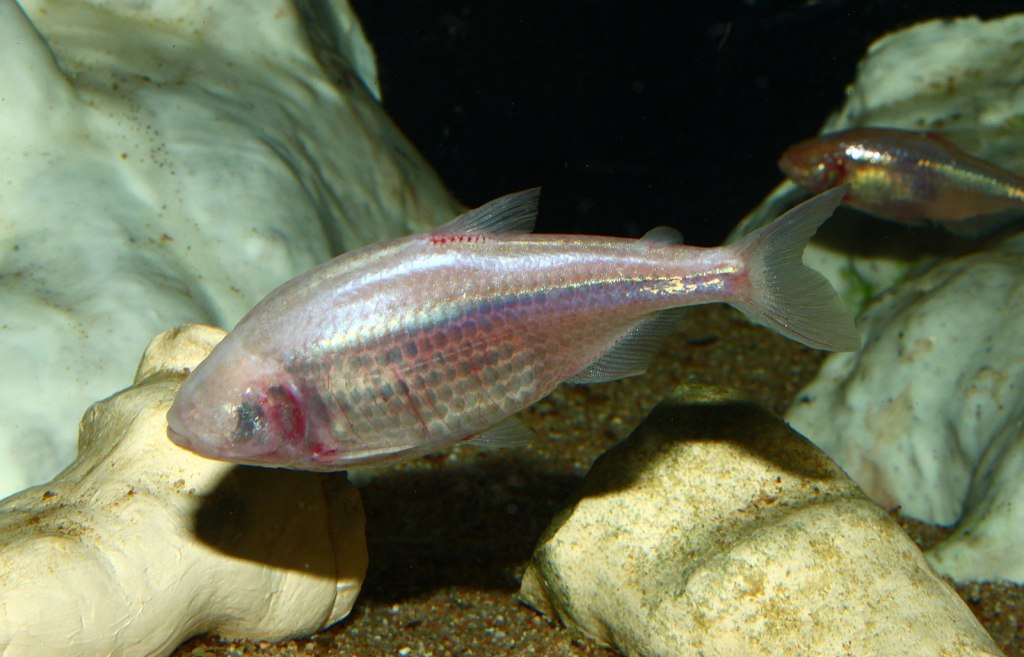
Sinister creatures
Blind Mexican cavefish have unusual changes in left-right asymmetry. Clever genetics let researchers find out why.
 Sophia Friesen